
What Affects the Cost of a Media Intelligence Platform
Understanding what drives media intelligence platform costs
A practical breakdown of the pricing factors that matter before you compare vendors or set a budget.
Get a quote shaped around your Nordic monitoring needs
Explore the cost drivers in this guide, then request a tailored quote that reflects your actual monitoring needs.
Why media intelligence pricing varies so widely
The range of what organisations pay for media intelligence is genuinely broad. A small-business social listening tool and a full enterprise platform serving a multinational brand can differ dramatically in cost, and both can be described as "media monitoring." That gap exists because the underlying product is fundamentally different: the sources covered, the languages processed, the depth of analysis, and the infrastructure required to deliver it all vary enormously.
Most enterprise platforms are sold on custom, annually billed quotes rather than published price lists, which makes direct comparison difficult. Vendors tailor pricing to your specific combination of sources, markets, users, and features. Understanding the individual levers is the only reliable way to benchmark vendors fairly or build a credible internal budget case. The sections below break down each lever in turn.
Monitoring volume and source coverage drive the biggest cost differences
The two factors that move the needle most are how much content you monitor and where that content comes from.
Mention volume is often metered directly. A niche B2B brand tracking a handful of keywords may capture a few thousand mentions per month; a consumer brand in the middle of a crisis can spike into the millions. Many platforms charge overage fees when you exceed your plan's limit, so underestimating volume at contract time has real consequences.
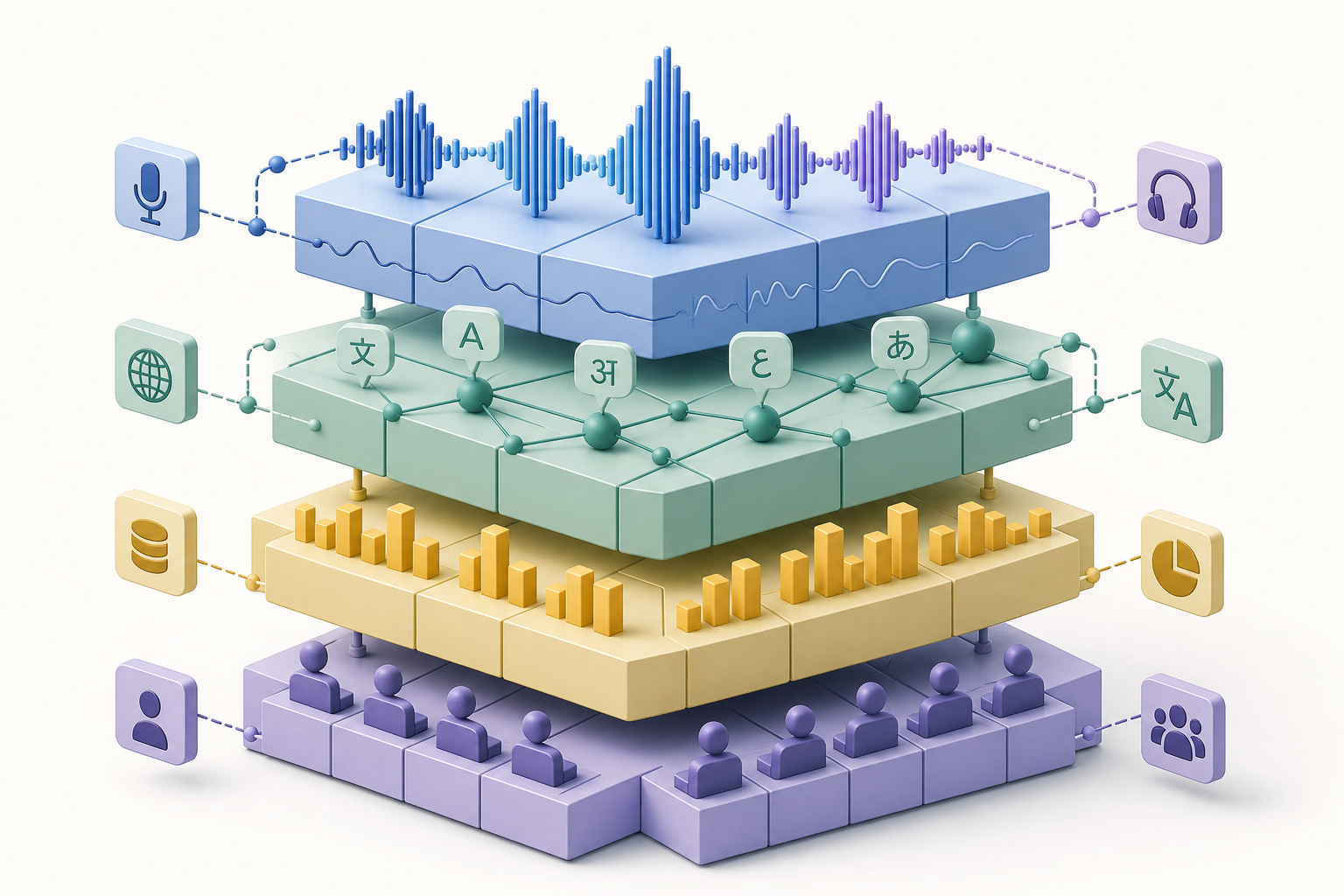
Source coverage compounds this. Social-only monitoring sits at the lower end of the cost spectrum. Adding news, print, broadcast, podcasts, and streaming platforms raises the price at each step, because broadcast and licensed print content carry licensing costs that vendors pass through to customers. Audio and video content also requires transcription infrastructure, which adds processing cost that purely text-based tools do not face.
Historical data access follows the same pattern. Access to a year or more of back data, essential for trend analysis and competitive benchmarking, is typically a paid add-on or an enterprise-only feature.
Language complexity and market scope shape what you actually pay
Geographic and linguistic scope is a major pricing variable that buyers often underestimate. A platform that monitors English-language content well may perform poorly on Swedish, Finnish, or Norwegian, where dialects, compound words, and local naming conventions create real transcription and entity recognition challenges.
Vendors that cover Nordic languages typically invest in language-specific AI models trained on real broadcast material, not just translated general-purpose models. That investment is reflected in the price, but so is the quality gap: a lower-cost tool with poor word accuracy will surface more noise and miss genuine mentions, which means your team spends time doing manually what the platform should do automatically.
For organisations operating across multiple Nordic markets, the cost question is not just "how many languages" but "how well does the platform handle each one." Tonar's models are trained specifically on Nordic languages and dialects, achieving a claimed word error rate of 3%, which is materially better than open-source alternatives. That accuracy directly affects how reliable your brand mention data is. See how this plays into brand mention tracking in practice.
User seats, advanced analytics, and API access each add a layer
Beyond volume and coverage, three further factors commonly appear in enterprise pricing discussions.
User seats. Many platforms price per seat, meaning a larger internal team or an agency with multiple client accounts will pay proportionally more. Some platforms offer role-based tiers, where read-only users cost less than full analysts, but the structure varies by vendor.
Advanced analytics. AI-driven features such as entity-level sentiment analysis, topic clustering, emotion detection, and automated summaries typically sit in higher-tier plans. In 2026, some generative-AI summarisation is appearing in mid-market plans, but the deepest analytics remain premium. Features like auto-label rules, entity recognition across abbreviations and mispronunciations, and topic-linking that maps subjects to brands represent meaningful analytical depth that not every platform offers at any price.
API access. This is consistently bundled into enterprise contracts rather than offered as a standalone developer product. If your team needs to pipe real-time transcription, mention data, or sentiment scores into your own dashboards or products, confirm early whether API access is included, at what call volume, and whether a firehose or REST endpoint is available. It is a common source of unexpected cost escalation at renewal.
Contract structure and onboarding shape total cost of ownership
The headline licence fee is rarely the full picture. Enterprise media intelligence platforms are almost always sold on annual contracts, and the terms around onboarding, support, and renewal can shift the effective cost significantly.
Onboarding complexity varies. A platform requiring custom integration work, extensive training, or dedicated implementation support will add time and sometimes direct cost. Conversely, a platform with well-documented APIs, intuitive labelling tools, and responsive support reduces the internal resource burden, which has real value even if it is not on the invoice.
Support tier is another variable. Dedicated account management, SLA-backed response times, and access to platform specialists are typically reserved for higher-spend customers. For teams where media monitoring feeds directly into executive reporting or crisis response, the support model is a legitimate part of the cost-benefit calculation, not a nice-to-have.
Finally, consider renewal dynamics. Custom annual contracts often include usage-based components that can change at renewal if your monitoring scope grows. Understanding what triggers a tier change before you sign is more useful than negotiating after the fact. For a structured way to evaluate these factors across vendors, the media monitoring platform evaluation checklist is a practical starting point.
Key factors that drive platform cost
Each of these factors can move your total cost significantly depending on your monitoring scope and team structure.
- Monitoring volume
- Higher mention volumes push you into higher tiers or trigger overage fees on metered plans.Crisis events and campaign spikes can cause sudden volume surges worth planning for.
- Source and channel coverage
- Adding broadcast, podcast, and licensed print to social monitoring raises cost at each step.Audio and video sources require transcription infrastructure not needed for text-only monitoring.
- Language and market scope
- Specialist Nordic-language models reflect higher development investment in the price.Poor accuracy in local languages shifts hidden cost onto analyst time spent filtering noise.
- User seats
- Per-seat pricing means larger teams and multi-client agencies pay proportionally more.Some platforms offer tiered roles where read-only users cost less than full analysts.
- Advanced analytics and AI features
- Entity-level sentiment, topic clustering, and auto-labelling sit in higher-tier plans.Generative-AI summarisation is entering mid-market plans; the deepest analytics remain premium.
- API access
- Typically bundled into enterprise contracts; endpoint type and call volume limits vary by plan.Firehose, REST, and RSS options each suit different integration architectures.
- Historical data access
- Back-data for trend analysis and benchmarking is usually a paid add-on or enterprise-only.Essential for competitive benchmarking and understanding long-term share of voice.
- Onboarding and support tier
- Dedicated implementation support and SLA-backed account management add to total cost of ownership.Well-documented APIs and intuitive tools reduce internal resource burden during setup.
- Contract terms and length
- Annual contracts with custom pricing are standard; renewal terms can shift cost if scope grows.Understanding tier thresholds before signing avoids surprises at renewal.
The cheapest platform is the one that doesn't waste your team's time filtering noise that better models would never have surfaced.
Benefits
Accuracy that reduces manual filtering
A platform with high transcription accuracy means fewer false positives and missed mentions. Tonar's claimed 3% word error rate on Nordic languages means the data your team acts on is closer to complete, reducing the time spent manually reviewing or discarding low-quality results.
Entity-level sentiment, not just keyword flags
Paying for entity-level sentiment analysis rather than basic positive/negative keyword detection means you understand how your brand specifically is being discussed, not just the general tone of an article or broadcast segment. That distinction matters when multiple brands appear in the same mention.
Noise reduction as a real productivity gain
Features like auto-label rules and natural language search that retrieves by intent rather than exact keyword mean analysts spend less time triaging irrelevant mentions and more time on insight. The productivity gain from a well-tuned platform compounds over time.
API flexibility for teams building on the data
Access to a well-documented API with firehose, REST, and RSS options means media companies and developer teams can embed real-time Nordic audio monitoring directly into their own products, without rebuilding the underlying transcription and entity infrastructure themselves.
How different buyer profiles map to cost drivers
Single-brand PR team monitoring Nordic radio and podcasts
A communications team at a mid-sized Nordic consumer brand needs to track every mention of their brand across radio broadcasts and podcasts in Sweden and Finland. Their primary cost drivers are source coverage (broadcast and podcast licensing adds cost over social-only plans) and transcription quality in two Nordic languages. They need entity-level sentiment to distinguish positive coverage from critical segments, but they do not need API access or multi-user seats beyond their small team. For this profile, the key budget question is whether a platform's Nordic-language accuracy justifies the premium over a generic tool. See how brand monitoring fits this need.
Multi-client agency managing media analysis across brands
An agency running media intelligence for several brand clients faces a different cost structure. User seats and multi-client workspace organisation become significant factors, as does the ability to generate separate reports and share-of-voice dashboards per client. Mention volume aggregates across all clients, which can push the account into higher usage tiers quickly. The agency also benefits from features like auto-label rules and natural language search that reduce analyst time per client. For this profile, per-seat pricing models and flat-rate enterprise plans each have different implications depending on how many clients and team members are involved.
Media company embedding audio monitoring via API
A media company wants to integrate real-time Nordic audio transcription, entity data, and sentiment scores directly into its own editorial dashboard. The cost drivers here are almost entirely on the API access and data volume side: call limits, firehose versus REST endpoint availability, and whether historical data is accessible programmatically. Onboarding complexity is also a factor, since the integration requires developer time. Tonar exposes its full dataset through a well-documented API including a database firehose, REST API, and RSS feed, which is relevant for this profile. The entity recognition and sentiment analysis capabilities available through the API directly affect the value of the integration.
Common questions about media intelligence platform pricing
Understand your Nordic monitoring costs before you commit
Pricing for media intelligence platforms depends on your specific combination of sources, markets, users, and features. Tonar can walk you through how those factors apply to your situation and provide a tailored quote based on your actual monitoring scope in the Nordic market.